What a Professional Pest Inspection Looks For (That Homeowners Usually Miss)
When most homeowners suspect a pest problem, they look for the obvious: a mouse darting across the floor, a trail of ants on the counter, or a spider web in the corner. While these sightings are important, they are often just the final stage of an infestation that has been building for weeks.
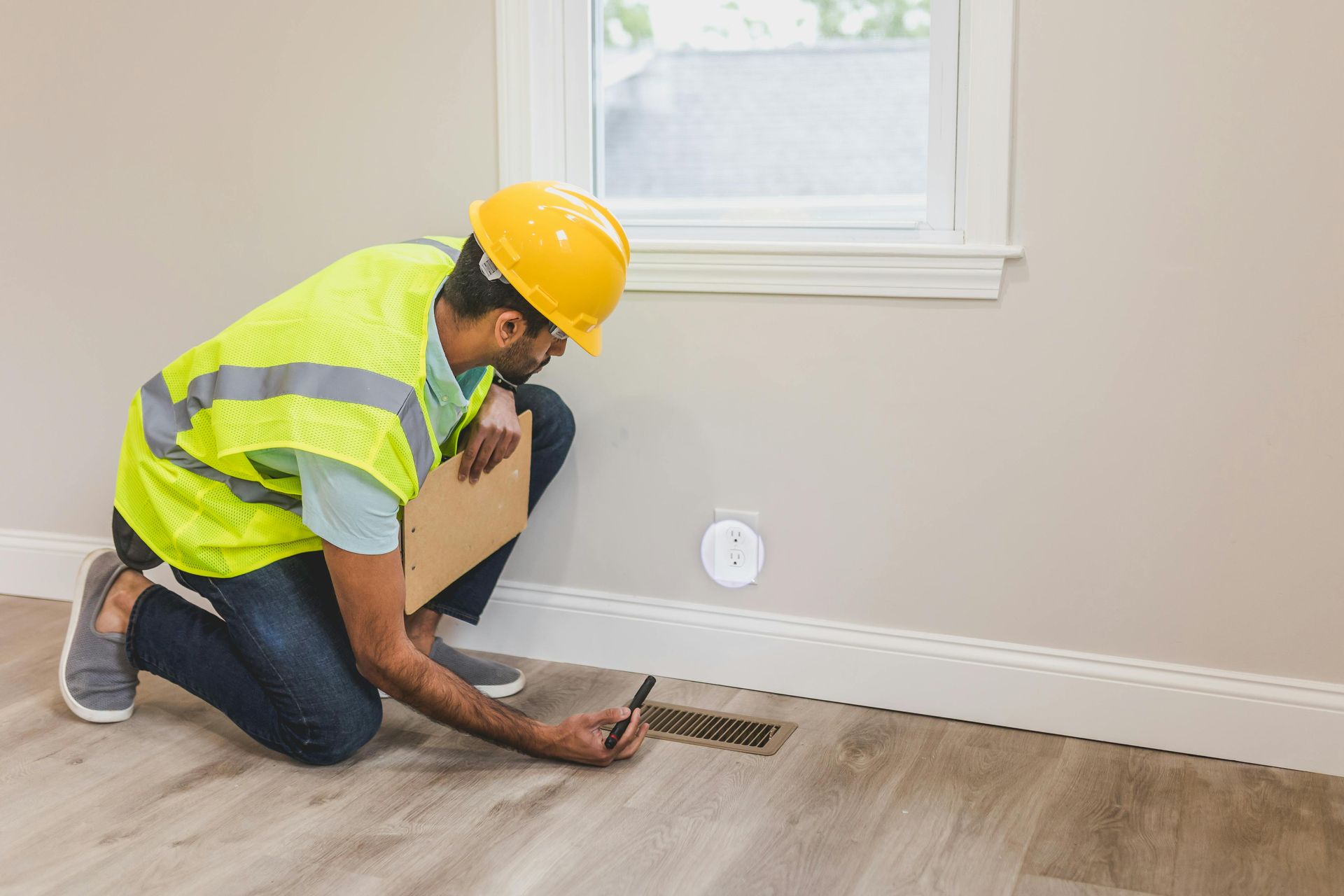
A professional pest inspection is fundamentally different from a quick DIY walkthrough. While you are looking for the pests themselves, we are looking for the why and the how.
In the older, historic neighborhoods of Boston and the North Shore, structural quirks and environmental conditions often hide the real story. Here is what a professional looks for that the average homeowner usually misses.
1. Structural Vulnerabilities and "Micro-Entries"
Homeowners typically check for open windows or large holes, but a professional knows that pests don't need a front door.
- The Quarter-Inch Rule: A mouse can squeeze through a gap the size of a dime, and a rat only needs a hole the size of a quarter. We inspect the "transition zones"—where the siding meets the foundation or where the roofline meets the soffits—for tiny gaps that homeowners overlook.
- Utility Penetrations: We look closely at where pipes, electrical wires, and gas lines enter your home. Over time, the sealant around these lines can crack or fall away, creating a direct highway into your utility room or kitchen.
2. Evidence of "Harborage Zones"
Pests spend 90% of their time hiding, not roaming. A professional knows where they "harbor" or nest when they aren't looking for food.
- Wall Voids and Insulation: We look for subtle signs like compressed insulation or small grease marks (rub marks) along floorboards, which indicate a frequent travel route for rodents behind your walls.
- Motor Compartments: Cockroaches and silverfish are drawn to the warmth of appliance motors. We check behind and beneath refrigerators, dishwashers, and ovens—areas that are rarely moved during standard cleaning.
3. Conducive Conditions (The "Why")
An inspection isn't just about finding bugs; it’s about finding what’s attracting them. We look for "conducive conditions" that act as a magnet for New England pests.
- Hidden Moisture: Even if your basement feels dry, a small leak in a crawl space or condensation on a hidden pipe can provide enough water to sustain a massive colony of termites or carpenter ants.
- Earth-to-Wood Contact: We check the exterior for mulch, soil, or firewood piles that are touching your home's siding. This creates a bridge that allows wood-destroying insects to bypass your foundation and enter your home's structure directly.
4. The Difference Between Inspection and Treatment
It is a common myth that a pest inspection is just the first five minutes of a treatment. In reality, the inspection is the most important part of the entire process.
Without a thorough evaluation, "treatment" is just guessing. By identifying the specific species, their entry points, and their food sources, we can create a targeted plan. This results in using fewer products more effectively, ensuring the safety of your family and pets while solving the problem at its root.
Why Professional Eyes Matter in Massachusetts
The architecture of Greater Boston presents unique challenges. Our technicians are trained to understand the specific habits of local pests and the structural weaknesses common to our housing stock.
Stopping a pest problem is about more than just setting a trap; it’s about outthinking the intruder.
📞
Call Beantown Pest Control today at 781-443-3869 or visit www.beantownpest.com to schedule a professional inspection. Let us find what you’ve been missing and protect your home for the long term.