Managing May Termite Swarms
May is peak termite swarm season for the North Shore and Greater Boston area. These swarms occur when underground colonies release winged reproductives to start new nests, often after a spring rain. Homeowners in coastal towns like Salem, Marblehead, and Beverly should watch for discarded wings on windowsills or mud tubes near foundations. You can distinguish termites from flying ants by their straight waists, beaded antennae, and equal-length wings. Because the North Shore's high water table and historic sill plates increase the risk of structural damage, professional inspection is recommended over DIY sprays to eliminate the colony at its source.
Preventing May Termite Swarms in Greater Boston
It’s termite season. As soil temperatures rise in coastal towns like Salem and Marblehead, Eastern Subterranean termites begin their annual reproductive cycle. This shift often leads to the sudden appearance of winged insects inside the home, a sight that serves as an early warning for potential structural threats.
If you live in a historic New England home, you are likely already aware of the challenges our coastal environment presents. High humidity and aging wooden structures make Greater Boston a primary target for wood-destroying pests. Recognizing the signs of activity this month is the best way to protect your property from long-term damage.
Why May is the Month of the Swarm
A termite swarm is essentially a colonial expansion. When an underground colony becomes crowded, it produces winged reproductives, often called swarmers. Their only job is to leave the nest, find a mate, and start a new colony.
On the North Shore, these swarms are most frequent in May because the soil has finally reached a consistent temperature that signals it is safe to emerge. Usually occurring on a humid afternoon following a spring rain, these swarms can involve hundreds of insects. While the winged termites themselves don't eat wood, their presence inside your home or near your foundation is a clear warning that an active worker colony is nearby, and they have likely been there for some time.
Identifying the Intruder: Termite or Flying Ant?
In May, we see a significant overlap between termite swarms and the emergence of flying ants. In communities like Swampscott and Lynn, homeowners often struggle to tell them apart. Since the treatment for each is entirely different, identification is the first step. Look for these three physical traits:
- The Body Shape: Termites have a thick, straight waist. Ants have a very distinct, pinched waist that separates their body segments.
- The Wing Proportions: A termite has four wings that are all exactly the same length and twice as long as its body. An ant has two large front wings and two smaller hind wings.
- The Antennae: Termite antennae are straight and look like tiny beads. Ant antennae are elbowed, meaning they have a sharp bend.
If you find piles of discarded wings on your windowsills or near door frames this month, pay close attention. Termites shed their wings almost immediately after landing, while ants typically keep theirs longer.
The Coastal Risk Factor
Our North Shore towns are particularly vulnerable to subterranean termites due to the high water table and the salt-rich soil that retains moisture. In places like Beverly and Peabody, many historic homes feature sill plates—the wooden base of the frame—that sit dangerously close to the soil.
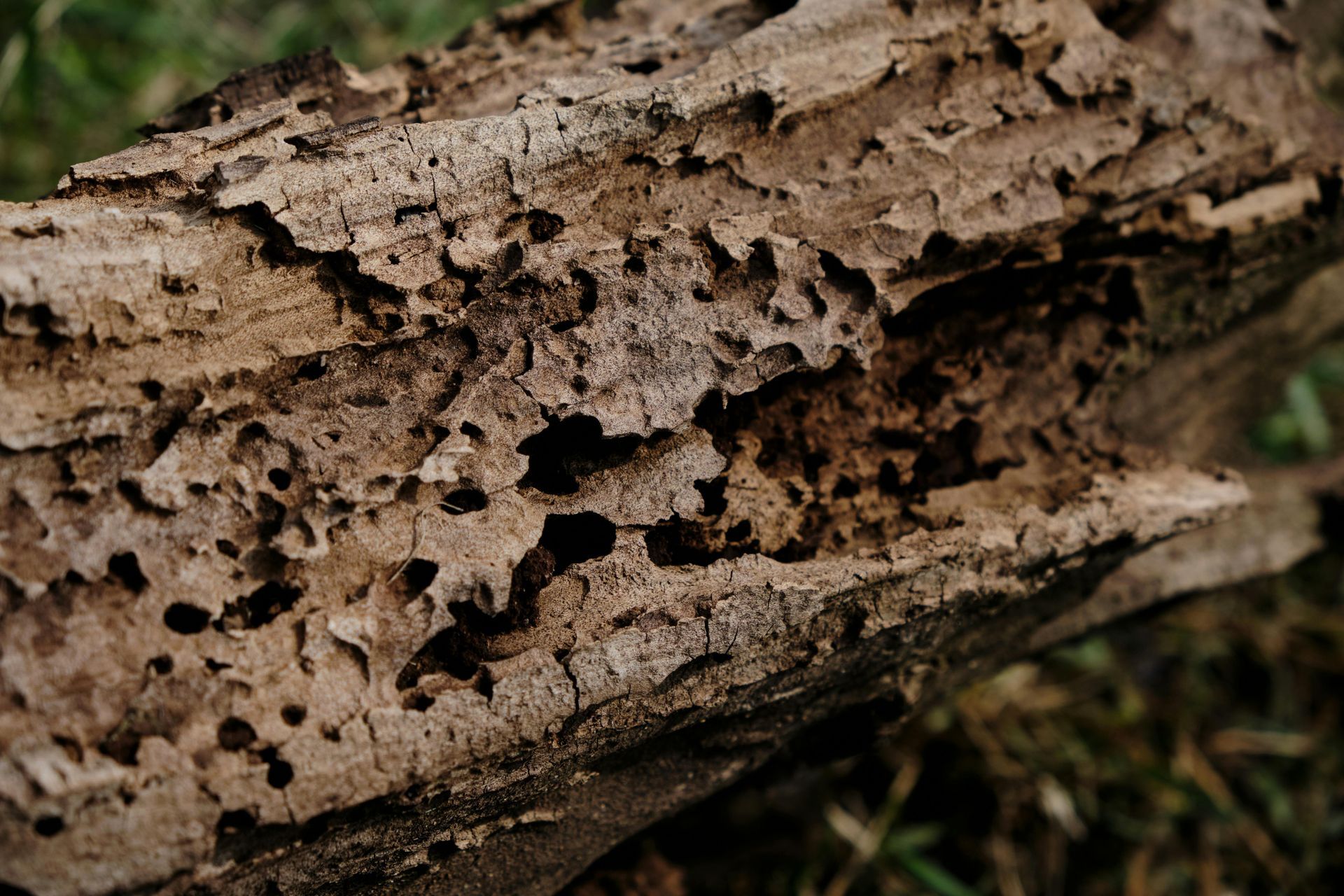
Over years of spring landscaping, the addition of new mulch or soil can accidentally create a bridge over your foundation. This allows termites to enter your home undetected. Because they require moisture to survive, they stay hidden within the wood or inside mud tubes, eating away at the structure while leaving the exterior paint or finish looking perfectly normal.
Taking Action This Spring
Finding a swarm in your kitchen or basement can be overwhelming, but it is a call to action rather than a reason to panic. The most important thing you can do is avoid disturbing the area with household cleaners or bug sprays, which can cause the colony to retreat deeper into the structure, making them harder to track.
At Beantown Pest Control, we specialize in the specific architectural needs of Massachusetts homes. Our May inspections focus on identifying active entry points and assessing the moisture levels that attract these pests in the first place. Early intervention this month can save you from the massive headache of structural repairs down the road.
If you’ve spotted winged insects or mysterious wings around your home this season, reach out to us for a professional evaluation. We’ll help you determine exactly what you’re dealing with and ensure your home stays protected well beyond the spring.