The North Shore Homeowner’s Guide to Termite Swarm Season
Spring on the North Shore is a season of transformation. As the ground thaws in towns like Salem and Marblehead, the local landscape comes back to life. Unfortunately, this transition also triggers one of the most stressful events a homeowner can witness: the termite swarm.
If you have lived in a historic New England home for any length of time, you know that our coastal environment—with its high humidity and older wooden structures—is a prime target for Eastern Subterranean termites. As we move into the 2026 season, understanding the difference between a minor nuisance and a structural threat is essential for protecting your investment.
What Is a Termite Swarm?
A termite swarm occurs when an established underground colony reaches a certain size and sends out "reproductives" to start new colonies. These winged termites, often called swarmers, are frequently the first and only sign a homeowner gets that a massive colony is living beneath their foundation.
On the North Shore, these swarms typically happen on warm, humid days following a spring rain. You might find hundreds of discarded wings on your windowsills or see a cloud of insects emerging from a crack in your patio or basement floor. While the swarmers themselves don’t eat wood, their presence means a "worker" colony is nearby, and they are definitely eating.
Termite or Flying Ant? How to Tell the Difference
In areas like Swampscott and Lynn, we often get panicked calls from residents who aren't sure what they are looking at. Flying ants and termites look remarkably similar to the untrained eye, but there are three clear ways to tell them apart:
- The Waist: Termites have a thick, straight waist. Ants have a pinched, narrow waist that gives them a "segmented" look.
- The Wings: A termite has four wings that are all the exact same length. A flying ant has two large front wings and two smaller back wings.
- The Antennae: Termites have straight, beaded antennae. Ants have elbowed or bent antennae.
If you find discarded wings that are all identical in shape and size, you are likely looking at a termite issue.
Why Coastal Towns Are at Higher Risk
Our North Shore communities are beautiful, but our proximity to the ocean and our abundance of historic architecture create a perfect storm for wood-destroying Raleigh. Salt air and high water tables keep the soil moist, which subterranean termites require to survive.
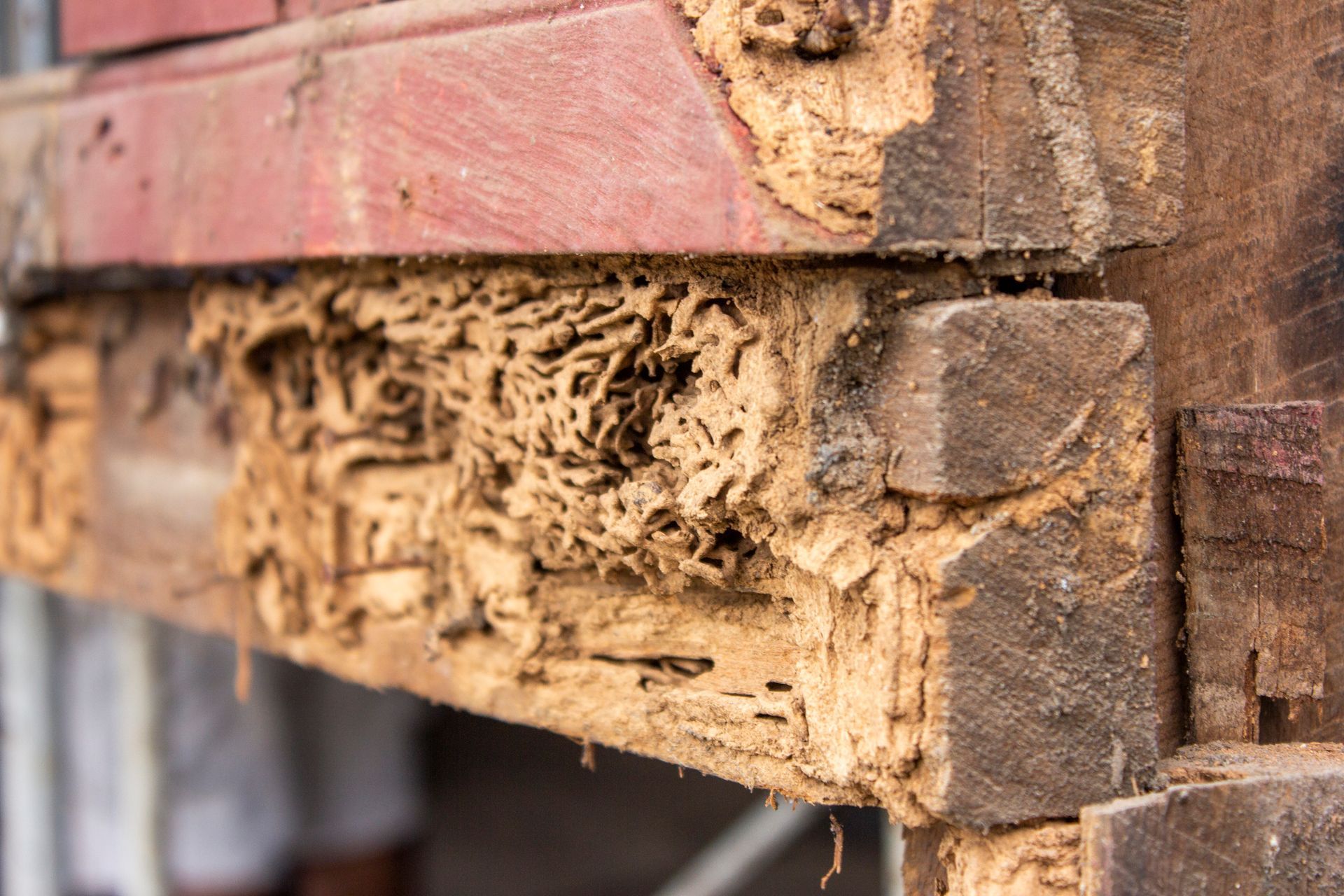
Furthermore, many homes in the Greater Boston area were built with "sill plates" (the wooden beam that sits directly on the foundation) very close to the soil line. Over decades, mulch piles, flower beds, and settling soil can create a direct bridge from the earth to your home’s wooden skeleton. Once termites find that bridge, they can work silently for years before any visible damage appears.
Prevention and Modern Solutions
Protecting a North Shore home requires a shift in mindset from "reaction" to "prevention." While the sight of a swarm is alarming, the real damage is done by the millions of workers you never see.
Modern termite management has moved away from the heavy liquid barriers of the past toward more intelligent, bait-based systems. These systems are strategically placed around the perimeter of your home in towns like Peabody or Danvers. The termites find the bait, share it with the colony, and the entire population is eliminated at the source. This method is especially effective for the rocky, uneven terrain often found along our coastline where liquid treatments may not distribute evenly.
Taking Action This Season
If you see a swarm, do not spray them with a household aerosol and assume the problem is solved. You have only killed the "messengers," not the colony.
At Beantown Pest Control, we provide comprehensive termite inspections that look beyond the surface. We examine the foundation, check for mud tubes, and assess moisture levels in your crawl space or basement. Early detection is the difference between a simple preventative treatment and thousands of dollars in structural repairs.
The 2026 swarm season is already underway. If you are concerned about the integrity of your North Shore home, our team is ready to provide a localized, expert assessment to keep your property standing strong for another century.