Summer Termite Damage in Greater Boston: Why the Real Threat Starts After the Swarm
The Swarm Is Over — So Why Are Termites Still a Summer Problem?
Every spring, we field a wave of calls from homeowners in Salem, Marblehead, and Beverly who spot clouds of winged termites around their windows. By July, those calls slow down. The swarmers are gone, the discarded wings have been swept away, and most people assume the danger passed with them.
That assumption is exactly what makes summer so risky.
A termite swarm is not an infestation, it’s an announcement of one. The winged reproductives you saw in May were simply leaving a mature colony to start new ones. The colony they left behind is still underground, still active, and now working through the warmest, most productive months of its year. In Massachusetts, soil temperatures and humidity peak in July and August, and that is precisely when the worker termites — the ones that actually eat your home — are at their busiest.
Why North Shore Homes Are Especially Vulnerable in Summer
Our coastal geography creates near-perfect conditions for subterranean termites once the weather warms.
The high water table and moisture-retaining soil common in towns like Swampscott, Lynn, and Peabody keep the ground damp enough for termites to travel and feed without drying out. Summer humidity coming off the ocean only extends that window. Add in the region's older housing stock; many historic homes have wooden sill plates sitting close to the soil line, and you have structures that are both attractive and accessible to a foraging colony.
Summer landscaping compounds the problem. Fresh mulch beds, new plantings, and stacked firewood placed against the foundation all create moisture-rich "bridges" that let termites bypass your foundation entirely and reach untreated wood undetected.
The Signs of an Active Termite Colony in Summer
Because summer termites work silently, you have to know what to look for. Here are the indicators our technicians check first.
1. Mud Tubes on Foundations and Walls
Subterranean termites build pencil-width tunnels of soil and saliva to travel between their nest and their food while staying protected from open air. Check the foundation, crawl space walls, and any spot where the ground meets wood. A mud tube that rebuilds itself after you break a section off is a clear sign of an active colony.
2. Hollow or Blistered Wood
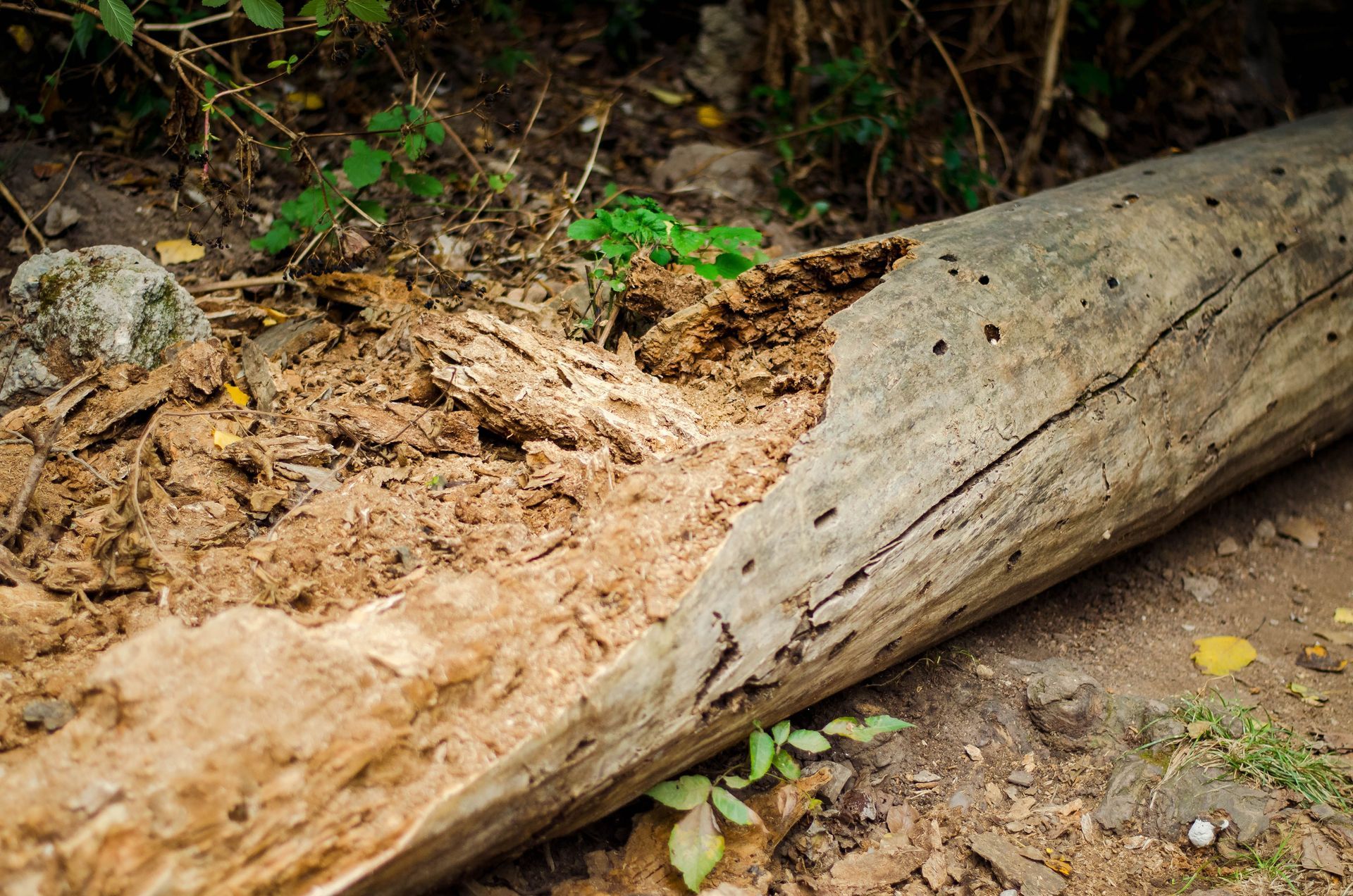
Termites eat wood from the inside out, leaving a thin outer shell intact. Tap on baseboards, window sills, and structural beams, a hollow or papery sound often means the wood has been eaten away behind the surface. Paint that looks bubbled or blistered can indicate feeding just beneath it.
3. Doors and Windows That Suddenly Stick
As termites damage wooden frames and the humidity of summer swells them further, doors and windows can become noticeably harder to open.
4. Frass (Termite Droppings)
Drywood termites leave behind small piles of pellet-like droppings that resemble coarse sawdust near infested wood. Finding these mounds is a strong sign of an established, feeding population.
5. A New Wave of Swarmers Indoors
Occasionally a satellite colony inside the structure will produce a smaller swarm outside the normal spring window. Winged termites appearing indoors in summer almost always mean the colony is inside your home, not just near it.
Why DIY Treatments Fail on Summer Infestations
When a homeowner discovers summer termite activity, the instinct is to reach for a store-bought spray. Unfortunately, surface treatments only reach the few termites you can see, while the colony, often numbering in the hundreds of thousands, stays safe underground. Worse, disturbing the area can push termites to reroute and feed elsewhere in the structure, making the infestation harder to trace.
Effective termite control targets the colony, not the individual insects. Professional approaches use strategically placed bait systems and targeted treatments that termites carry back to the nest, eliminating the population at its source. This is especially important along the rocky, uneven terrain of the North Shore, where blanket liquid treatments don't always distribute evenly.
Don't Wait for the Damage to Show: The Beantown Home Protection Plan
The frustrating truth about termites is that by the time damage is visible, it has usually been developing for months or even years. That is why the smartest strategy is ongoing prevention rather than emergency reaction.
Beantown Pest Control's Home Protection Plan is a renewable annual service built for exactly this. It provides automatic spring and fall visits, so your home is inspected and treated during the two most critical windows of the pest calendar, including the run-up to and aftermath of termite season. The plan combines short-term corrective action with long-term preventative treatment, includes free callbacks between visits, and documents your home's condition over time so problems are caught early. It's designed to give North Shore and Greater Boston homeowners year-round peace of mind rather than a scramble after the damage is already done.
For a historic home in a high-risk coastal town, that kind of continuous coverage is one of the most cost-effective ways to protect your single largest investment.
Frequently Asked Questions
Do termites stop being active in the summer?
No. In Greater Boston, summer is one of the most active feeding periods for Eastern Subterranean termites. Warm soil and high humidity let worker termites feed aggressively — the swarm ends in spring, but the colony's damage continues through summer.
How can I tell if I still have termites after the swarm is gone?
Look for mud tubes on your foundation, hollow-sounding wood, sticking doors or windows, blistered paint, and small piles of droppings. These indicate an active colony even when no swarmers are present. A professional inspection is the only way to confirm.
Are termites worse on the North Shore than in other areas?
Coastal towns like Salem, Marblehead, and Beverly face elevated risk due to a high water table, moisture-rich soil, and older homes with sill plates near the ground — all conditions termites thrive in, especially in summer.
Can I treat a summer termite infestation myself?
DIY sprays only kill visible termites and can drive the colony deeper into your home. Professional bait and targeted treatments are needed to eliminate the colony at its source.
How does the Beantown Home Protection Plan help with termites?
It provides automatic spring and fall service with ongoing inspection, documentation, preventative treatment, and free callbacks — helping catch and stop termite activity before it becomes costly structural damage.
Protect Your Home Before the Damage Is Done
If the spring swarm came and went, don't assume you're in the clear. Summer is when termites do their quietest, and most expensive work. A professional inspection now can be the difference between a simple preventative treatment and thousands of dollars in structural repairs later.
Contact Beantown Pest Control today. Call us at
781-443-3869, email
John@beantownpest.com, or visit our contact page to schedule your inspection and ask about enrolling in our Home Protection Plan. We know North Shore and Greater Boston homes — and we'll help keep yours standing strong for another century.